The Jacket Weight Nobody Talks About: Finding Your Actual Transitional Layer
Quick Answer: A true transitional jacket sits in the 200-350 gsm fabric weight range — heavier than a summer shirt-jacket, lighter than a winter coat’s 400+ gsm — and works comfortably across roughly a 15-degree temperature band without needing an extra layer underneath or overheating.
Outerwear guides describe transitional pieces by season name (‘spring jacket,’ ‘fall coat’) without ever naming the actual fabric weight that makes a piece transitional. That gap is why so many ‘transitional’ jackets turn out to be too light for real cold or too heavy for a mild afternoon.
What does gsm actually mean and why does it matter here?
GSM (grams per square meter) measures fabric density and, roughly, warmth and structure. Below 200 gsm reads as a true lightweight layer — good for warm-to-mild days but not real cold. Above 400 gsm starts moving into winter coat territory, too warm and often too structured for a mild 55-degree day.
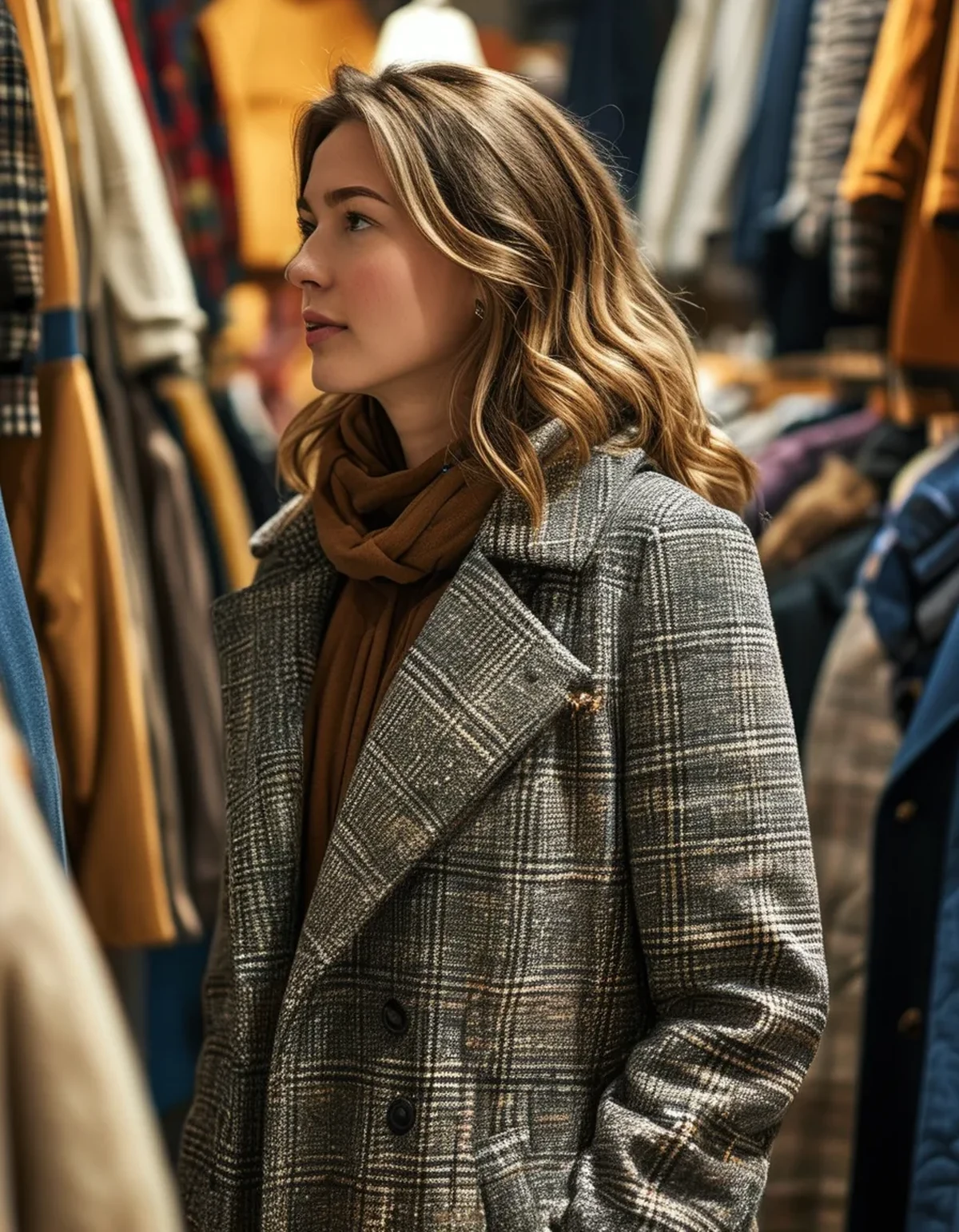
The genuinely transitional range — 200-350 gsm — is where a jacket has enough weight to block wind and light cold without the bulk or heat retention of true winter outerwear. Most outerwear doesn’t list gsm directly, but fabric composition and hand-feel (does it have real substance without being stiff or heavy) are reasonable proxies when shopping in person.
How do you tell transitional weight apart from a mislabeled piece?
Fold the fabric over your hand. A true transitional weight has enough structure to hold its own shape without collapsing, but still moves and drapes rather than standing rigid. If it drapes completely limp, it’s likely under-300 gsm territory (lighter, warm-weather leaning). If it holds a stiff, almost architectural shape on its own, it’s likely into heavier coat-weight territory regardless of what the tag calls it.
What’s the actual outerwear color guide angle here?
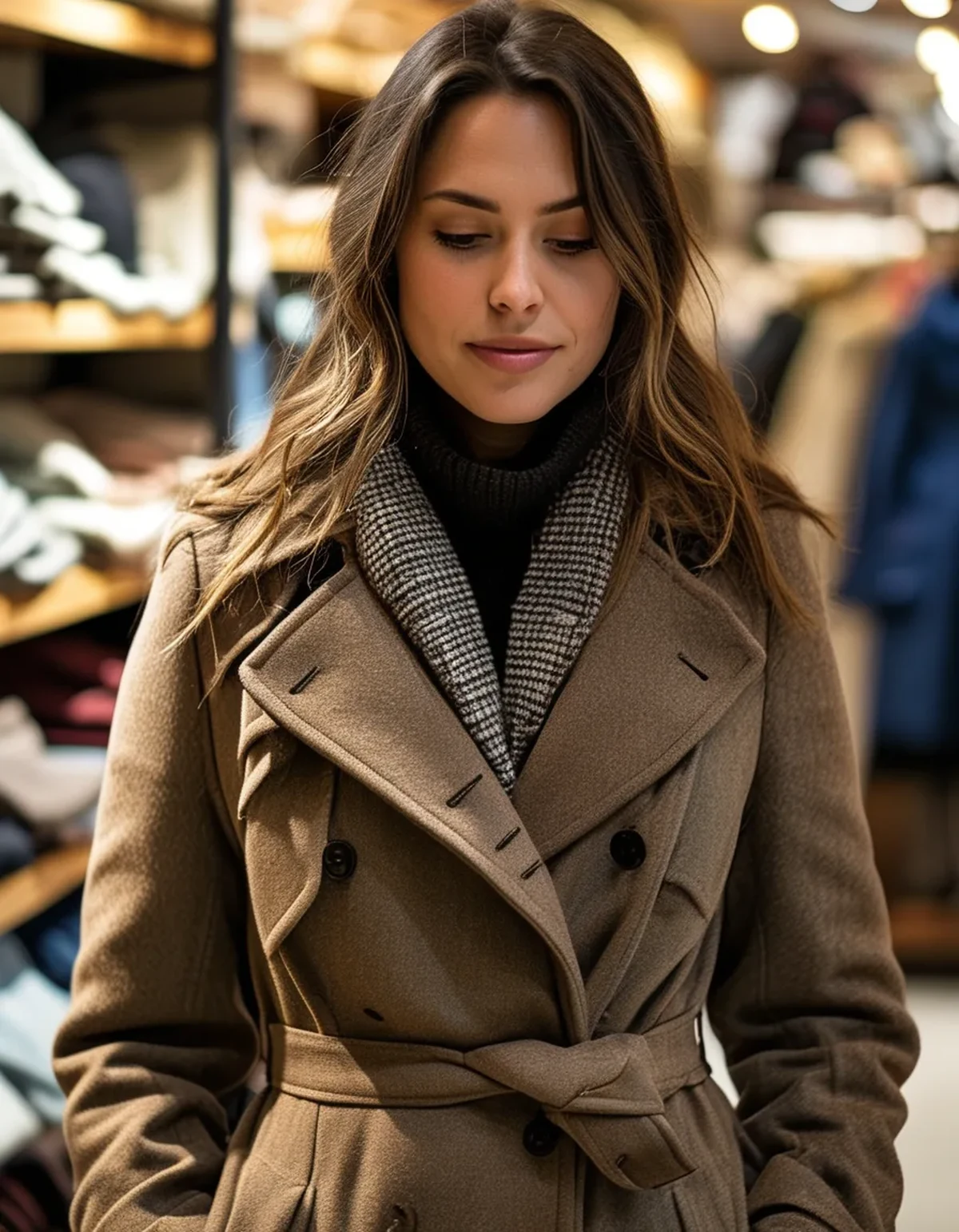
Weight and color interact more than people expect for transitional pieces specifically: lighter, mid-tone colors (camel, soft grey) in a transitional weight visually read as more versatile across the season’s shifting light than the same weight in a very dark, winter-coded color like black or deep navy, which can look slightly out of step on a genuinely mild, bright day.
This is a secondary consideration to weight, but it’s part of why some ‘transitional’ jackets feel wrong seasonally even when the fabric weight is technically correct — the color is doing a heavier-season job the weight isn’t built for.
Why do coat shoulder fit issues show up more in transitional pieces?
Transitional jackets are worn over fewer layers than winter coats (often just a single top, not a sweater), which means shoulder fit errors that a bulky winter coat’s extra room might disguise show up much more visibly on a transitional piece. Check shoulder fit specifically with the exact layer you’ll actually wear underneath, not with a sweater you’d only wear in true winter — the fit reference layer matters more here than for heavier coats.
FAQ: Transitional Jacket Questions, Answered
Can one jacket really cover the whole transitional season, or do I need two weights?
A true 200-350 gsm piece can cover a wide band, but very early spring or late fall’s colder mornings may still need a light layer underneath — that’s expected and doesn’t mean the jacket weight was wrong.
Is a lined jacket automatically warmer than an unlined one at the same outer fabric weight?
Yes, meaningfully — lining adds a real insulating air gap even at identical outer fabric weight, so two jackets with similar gsm outer fabric can perform differently in actual warmth depending on lining.
How can I check gsm before buying if it’s not listed?
Some retailers list it in fabric details online; in-store, the fold-and-drape test is the most reliable substitute, alongside checking fabric composition percentages as a rough guide.
TL;DR:
- True transitional weight is roughly 200-350 gsm — between summer-light and winter-heavy
- Fold-test the fabric: drapes but holds shape is the transitional sweet spot
- Match color to the season’s light, not just the weight — dark winter tones can read wrong on mild days
- Check shoulder fit with the actual under-layer you’ll wear, not a bulky winter sweater
Name the weight, not just the season, and ‘transitional jacket’ stops being a guess.
Keep Reading
This article is for general styling and informational purposes only. Trends, sizing, availability and pricing may vary by brand and season.