The Outerwear Edit

Coats & jackets that make the outfit

How to Layer Outerwear Like a Stylist

2026-07-11

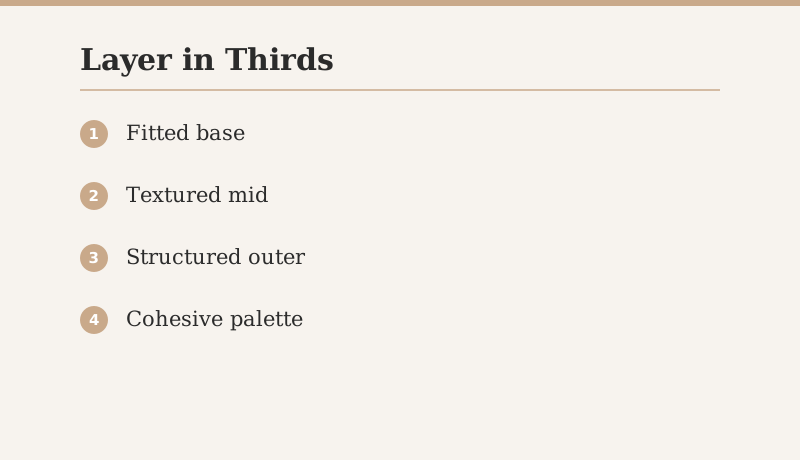
Quick Answer: Layer outerwear in thirds — a fitted base, a textured mid-layer, and a structured outer piece — vary the lengths so each layer shows, keep the palette tonal, and balance fitted against roomy so nothing swallows you whole.

When the temperature drops, layering is where style is won or lost. Anyone can pile on clothes to stay warm — but doing it so the result looks intentional rather than bulky is an art. Here’s how stylists build layers that are as chic as they are cozy.
How to Layer Outerwear Like a Stylist

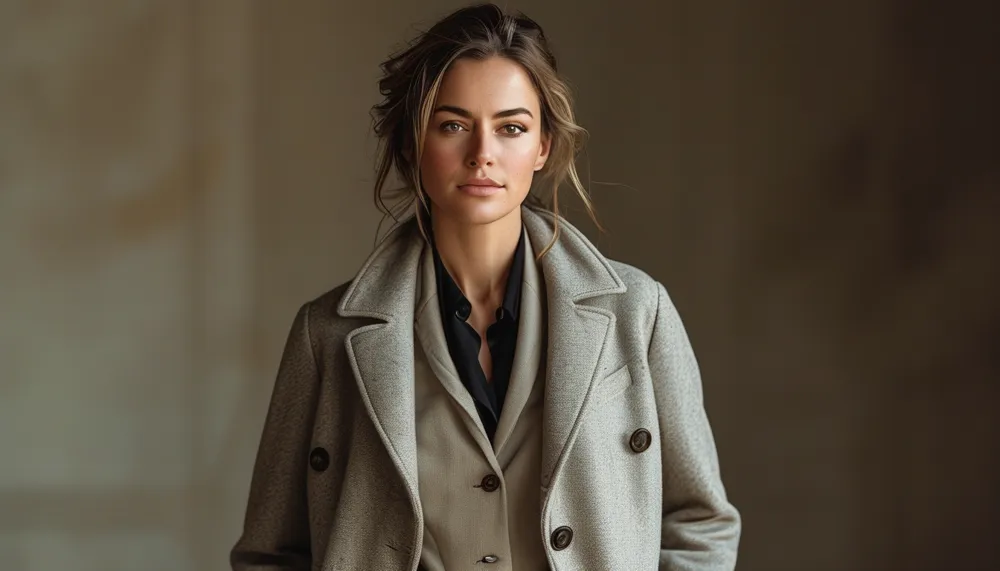
What’s the stylist trick for layering outerwear?

Think in thirds: a fitted base, a mid-layer with texture, and a structured outer piece. A thin knit, a shirt, and a wool coat — each one visible, each one adding depth without adding bulk. Skip the thirds structure and you’re just piling on clothes; follow it and you’re building a look.

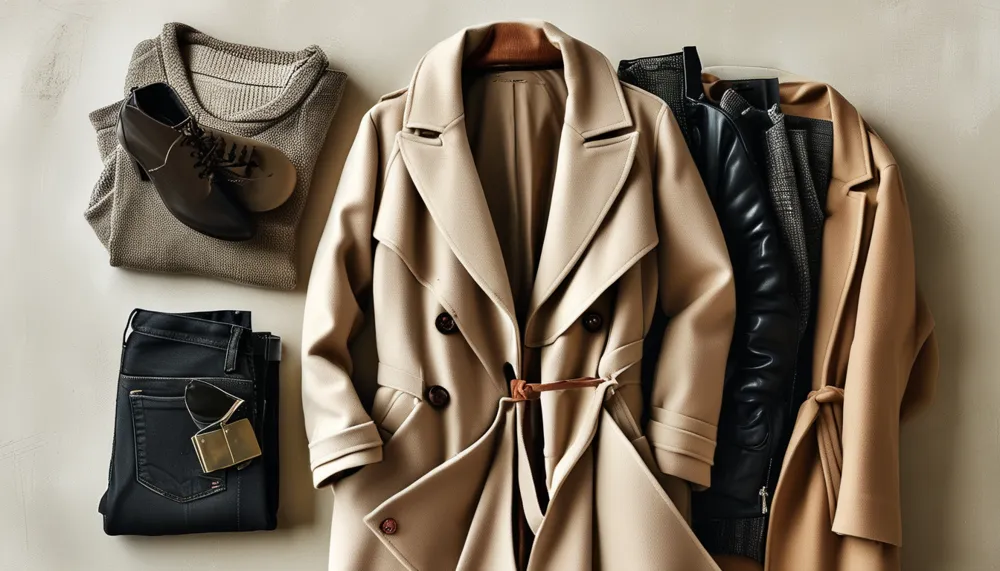
Styling flat lay

Why do layered lengths matter so much?

Letting layers peek out at different lengths is what creates that effortless, collected look. A longline cardigan under a cropped jacket, or a shirt hem showing below a sweater — varied lengths read as considered, not accidental. Match every hemline exactly and the outfit reads flat instead of dimensional.
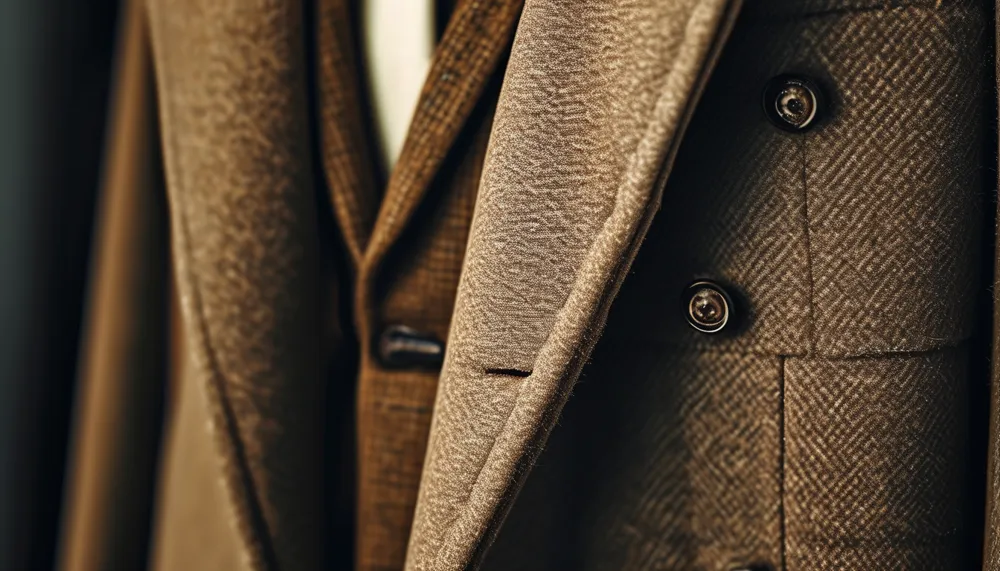
Point detail

How do you keep four layers from looking chaotic?

Keep the colors talking to each other. Stick to a tonal range — creams, camels, and browns, or greys and blacks — and even four layers will look sleek rather than chaotic. One accent color, used sparingly (a scarf, a bag), adds life without breaking the cohesion.

How do you balance proportions across multiple layers?

If your outer layer is oversized, keep what’s underneath slim. If your coat is fitted, you have room for volume beneath. That push-and-pull between fitted and roomy is what keeps layered outfits from swallowing you whole — pick one silhouette to be “big” and let everything else support it.

Style guide

Myth vs. Fact: Layering Outerwear

Myth: More layers automatically mean a warmer, better outfit. Fact: Beyond three intentional layers, you’re usually just adding bulk without adding warmth or style.

Myth: All your layers should match in length. Fact: Varied lengths are what make layering look considered instead of accidental.

Myth: A tonal palette is boring. Fact: A tonal palette is what lets four layers of texture read as sleek instead of chaotic — one accent color is all the “interest” it needs.

5 Mistakes Everyone Makes Layering Outerwear

  1. Starting with a thick base layer. Every layer after it compounds the bulk — always start thin.
  2. Matching every hemline exactly. Uniform lengths read flat; varied lengths read considered.
  3. Mixing too many colors at once. A tonal palette lets texture do the visual work instead of competing colors.
  4. Making both the base and outer layer oversized. Pick one silhouette to be roomy and keep the other fitted, or the whole look loses shape.
  5. Skipping a mid-layer entirely. Two layers (base and outer) rarely build the same depth and warmth as a proper three-layer stack.

FAQ

How many layers is too many?

Beyond three (base, mid, outer), you’re usually adding bulk rather than style. If a piece isn’t adding warmth, texture, or visual interest, leave it off.

Can you layer outerwear in warmer weather?

Yes — swap heavier pieces for a light cardigan over a tank, or an unbuttoned shirt over a tee. The base-mid-outer logic holds; only the fabric weight changes.

What’s the fastest fix for a layered outfit that looks bulky?

Check your base layer first — if it’s already thick, thin it out. A slim base is what gives every layer after it room to sit smoothly.

Should your coat always be the roomiest layer?

Usually yes — an oversized outer piece over slimmer layers underneath is the easiest way to get the fitted-versus-roomy balance right without overthinking every individual piece in the stack.

How do you layer outerwear over a dress?

Add a fitted base underneath (a turtleneck or thin knit) if the dress is sleeveless, then top with a structured coat — the same base-mid-outer logic simply starts from the dress instead of a shirt.

Can you layer outerwear pieces of different fabric types together?

Yes, and it’s often more interesting that way — wool, cotton, and leather layered together add textural depth, as long as the color palette stays tonal enough to keep the combination reading intentional.

TL;DR:

  • Build in thirds: fitted base, textured mid-layer, structured outer piece
  • Vary lengths so each layer is visible and reads as intentional
  • Keep the palette tonal, with one sparing accent color
  • Balance fitted against roomy so nothing swallows your silhouette

Does the length of your outer coat change how you should layer underneath?

Yes — a longer coat gives more room to hide bulkier mid-layers, while a cropped jacket works best over slimmer layers so the proportions between the two pieces stay balanced.

Great layering is really about intention: think in thirds, play with length, keep your palette tight, and balance your proportions. Master those four and you’ll stay warm all winter while looking like you stepped straight out of a street-style gallery.

Keep Reading

This article is for general styling and informational purposes only. Trends, sizing, availability and pricing may vary by brand and season.

← All articles