The Cape and Poncho: How to Wear Fashion's Most Dramatic (and Surprisingly Practical) Outerwear
The cape and poncho are outerwear at their most dramatic — sweeping, editorial, undeniably chic — but they’re also surprisingly practical, offering warmth and coverage with an elegant ease. The outerwear edit: the cape’s appeal, how to style it, and how to keep the drama chic, not costume.
The Cape’s Dramatic Appeal
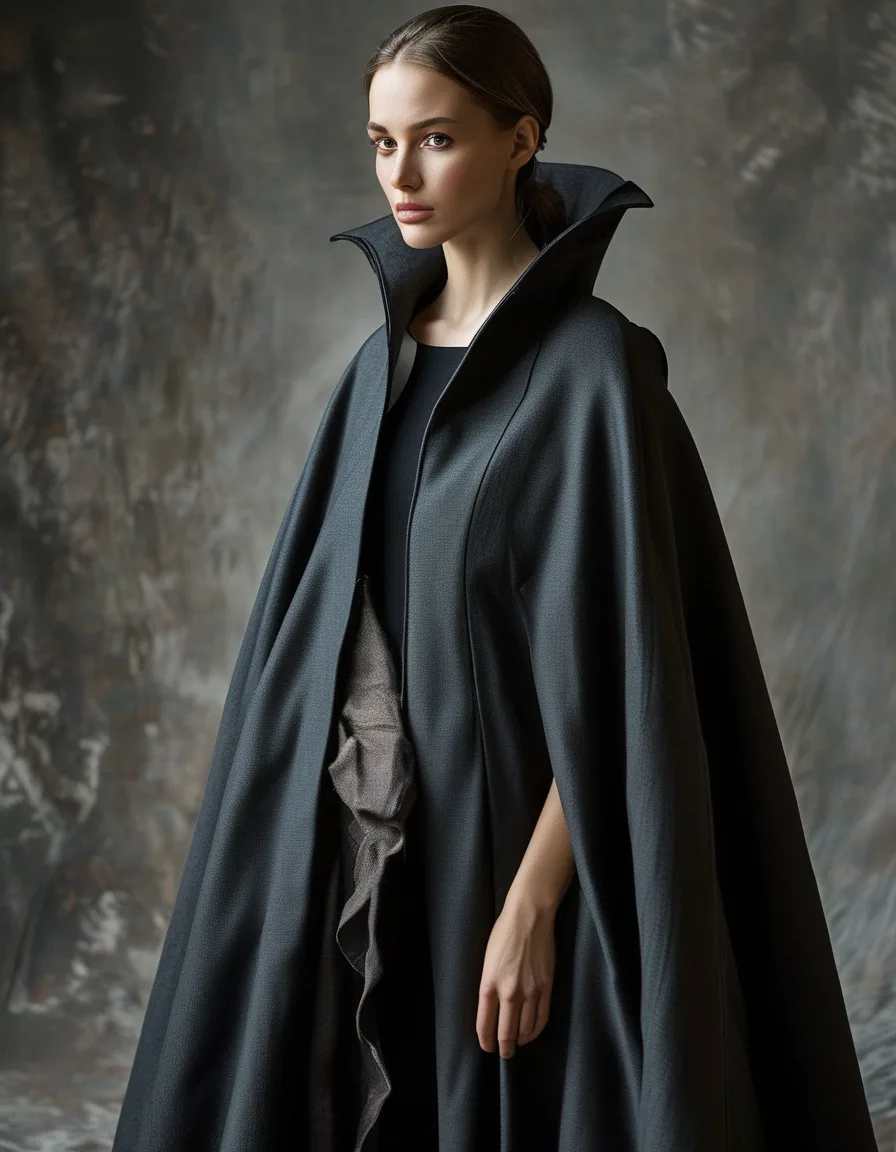
Why the cape and poncho work: the dramatic-and-editorial (the cape’s sweeping, editorial-drama from the statement-coats chapter — the the-drama; the dramatic), the surprisingly-practical (the the-cape’s warmth-and-coverage from the how-to-layer-outerwear chapter — the the-practical; the practical), the the-elegant-ease (the the-cape’s elegant, easy line from the unexpected-outerwear chapter — the the-ease; the elegant-ease), the the-statement-outerwear (the the-cape as statement-outerwear from the statement-coats chapter — the the-statement; the statement), and the reframe (the cape-and-poncho as dramatic, practical, elegant statement-outerwear).
How to Style It
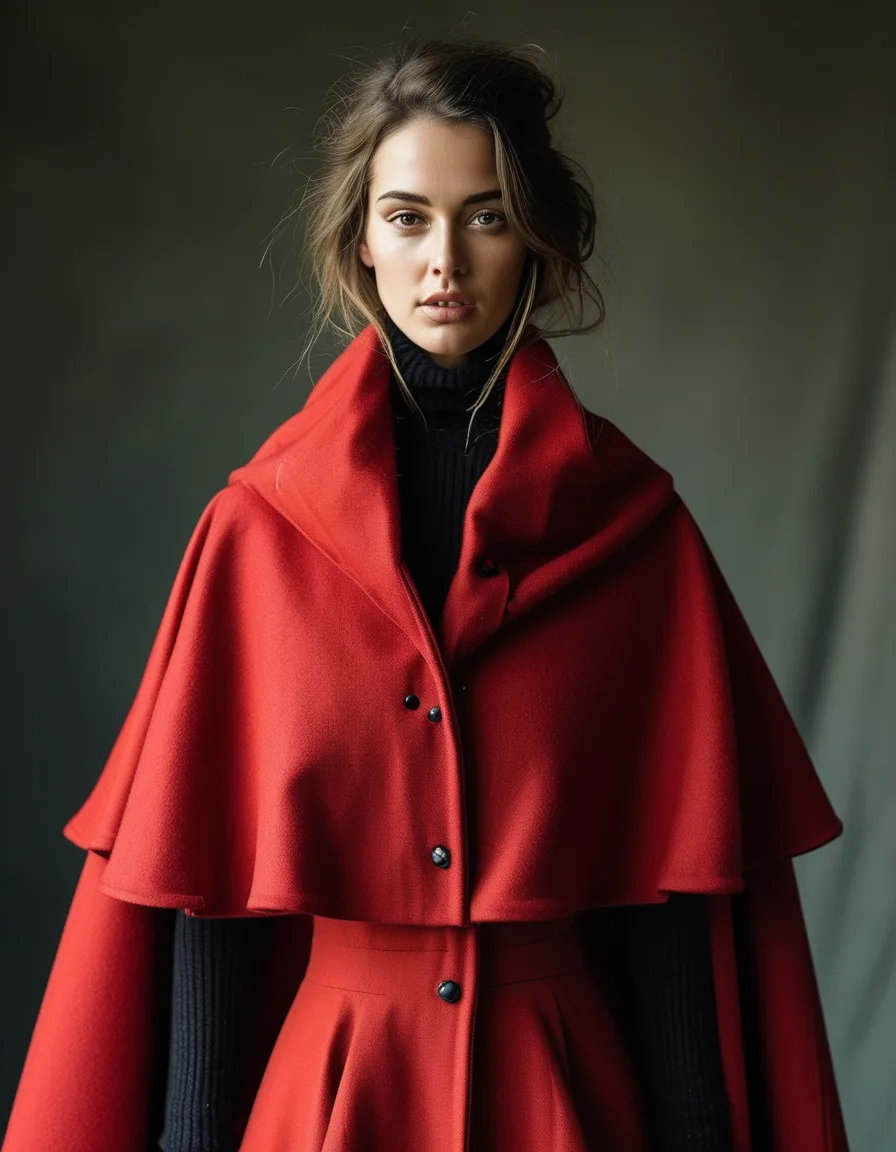
Styling the cape and poncho: the the-with-slim-bottoms (the a-cape with slim trousers-or-jeans (balance) from the how-to-layer-outerwear chapter — the the-slim; the slim-bottoms), the the-over-a-simple-base (the a-cape over a-simple, fitted base from the how-to-layer-outerwear chapter — the the-base; the simple-base), the the-with-boots (the a-cape with boots from the coat-fit-guide chapter’s footwear-logic — the the-boots; the with-boots), the the-belted-cape (the a-belted cape for shape from the unexpected-outerwear chapter — the the-belt; the belt-it), the the-the-poncho-casual (the a-poncho styled-casual from the everyday-jacket-guide chapter — the the-poncho; the casual-poncho), the the-neutral-or-statement (the a-neutral or statement cape from the statement-coats chapter — the the-color; the neutral-or-statement), the the-let-it-be-the-focal (the the-cape as the-focal-point from the statement-coats chapter — the the-focal; the cape-leads), and the the-over-tailoring (the a-cape over tailored-pieces from the how-to-layer-outerwear chapter — the the-tailoring; the over-tailoring).
Keeping the Drama Chic
Keeping the cape from looking costumey: the the-slim-underneath (the slim, fitted pieces underneath (balance) from the how-to-layer-outerwear chapter — the the-slim; the slim-base), the the-modern-cape-design (the a-modern, sleek cape-design from the unexpected-outerwear chapter — the the-design; the modern-design), the the-neutral-and-quality (the a-neutral, quality cape from the coats-worth-investing-in chapter — the the-quality; the quality-neutral), the the-belt-for-structure (the belting for structure from the unexpected-outerwear chapter — the the-belt; the belt-it), the the-let-one-thing-be-dramatic (the the-cape as the-one drama from the statement-coats chapter — the the-one-drama; the one-dramatic-thing), the the-boots-and-simple-base (the boots and a-simple base from the how-to-layer-outerwear chapter — the the-simple; the simple-base), the the-confident-styling (the confident cape-styling from the statement-coats chapter — the the-confidence; the confident), and the frame (the cape-and-poncho as dramatic-outerwear styled-with-slim-bottoms-and-a-simple-base, kept-chic-not-costume — dramatic and practical. Style the cape and poncho — with slim trousers-or-jeans (balance), over a simple fitted base, with boots, belted or as a casual poncho — keeping the drama chic (not costumey) through slim pieces underneath, a modern quality design, and letting the cape be the one dramatic element: fashion’s most dramatic (and surprisingly practical) outerwear.
The cape and poncho are outerwear at their most dramatic — sweeping, editorial, undeniably chic — but also surprisingly practical, offering warmth and coverage with elegant ease. Style them — with slim trousers-or-jeans (balance), over a simple fitted base, with boots, belted, or as a casual poncho, in neutral or statement, letting the cape be the focal point. Keep the drama chic — slim pieces underneath, a modern quality design, a neutral, belting for structure, one dramatic element, and a simple base with boots. How to wear fashion’s most dramatic (and surprisingly practical) outerwear without looking costumey.
Keep Reading
This article is for general styling and informational purposes only. Trends, sizing, availability and pricing may vary by brand and season.